



Chronicles of the Joystick

Tracing the Circuit Boards of Gaming History.

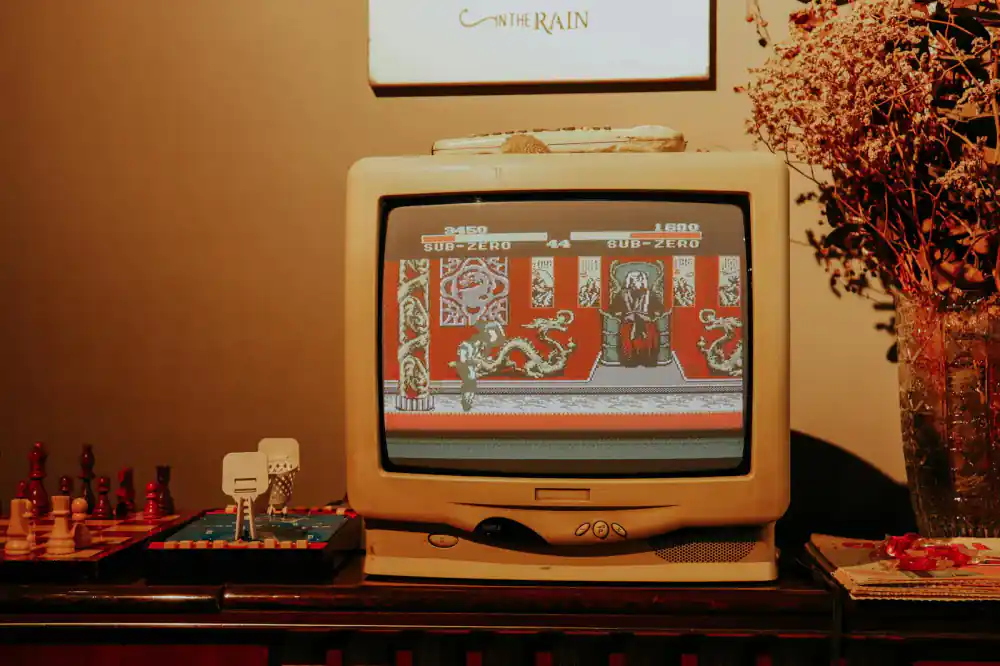
From the dimly lit, smoke-filled arcades of the late seventies to the glowing CRT screens dominating living rooms in the nineties, explore the definitive evolution of pixelated perfection.

A wide view of a classic 1980s amusement arcade

Witness the Legends

Jump straight to our curated collection of the most influential titles that shaped modern interactive entertainment.

Explore Exhibits
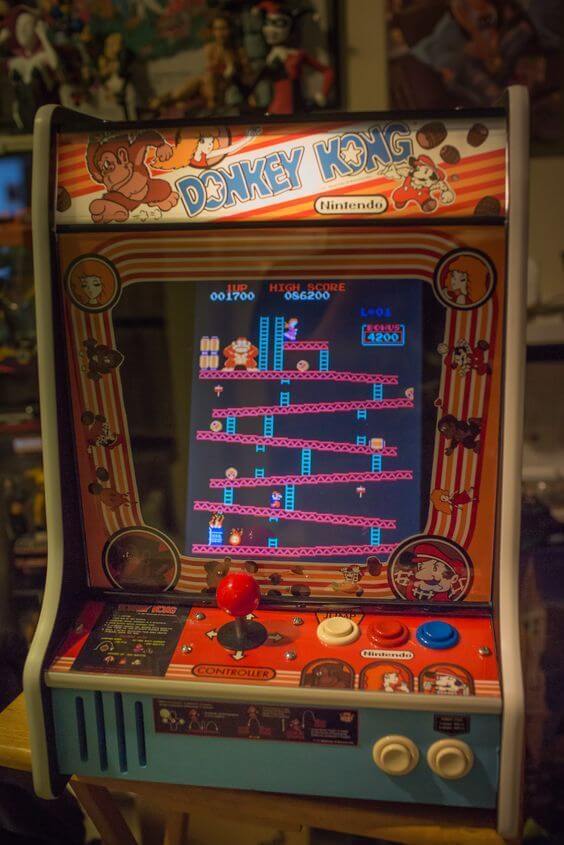
Close up of an arcade cabinet joystick Glowing pixels on a CRT monitor
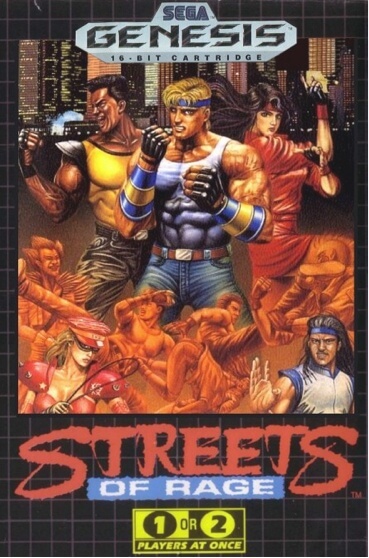
Glowing coin slot on an arcade machine Classic grey 16-bit console cartridge
The Genesis Era

The Quarter-Munching Boom

Before high-speed internet and photorealistic rendering, gaming was a communal experience built on bespoke hardware. The late 1970s and 1980s saw the rise of the amusement arcade, spaces where neon lights and synthesized bleeps beckoned players to test their reflexes for a mere coin.

This era pushed hardware engineers to their limits, writing assembly code directly to silicon chips to squeeze out every drop of performance. As the decade turned, the focus shifted from public spaces to the home. The "Console Wars" were born, sparking fierce playground debates and an arms race of processing power, moving from 8-bit sprites to the rich, multi-layered 16-bit worlds that still capture our imaginations today.

Curated Archives

The 15 Artifacts of the Hall of Fame

Ranked by cultural impact, mechanical innovation, and enduring legacy. Explore the meticulously preserved exhibits of our permanent collection.

Street Fighter II gameplay screen
#1

Street Fighter II

The undisputed king of the arcades. Capcom's masterpiece single-handedly ignited the 1990s fighting game boom, introducing a robust six-button layout, a colorful roster of world warriors, and deep competitive mechanics that spawned a global tournament scene still thriving today.

Curator's Fact: The game's legendary "combo" system was originally discovered as a bug during development, where players realized they could interrupt animation frames to string attacks together.
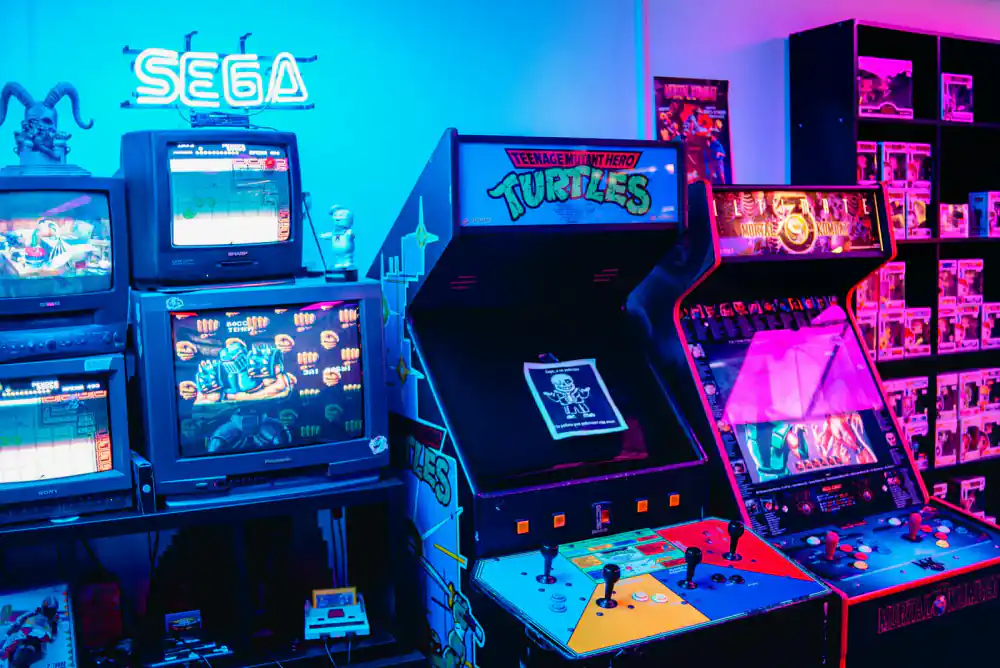
Mortal Kombat arcade cabinet art

Mortal Kombat

#2

Midway's ultra-violent answer to the fighting game craze utilized digitised sprites of real actors, creating a gritty, shocking aesthetic. Its hidden characters and bloody finishing moves became the stuff of playground legend.

Curator's Fact: The public outcry over the game's famous "Fatalities" directly led to the U.S. congressional hearings on video games and the subsequent creation of the ESRB rating system.
Out Run red sports car driving into the sunset
#3

Out Run

Sega's iconic 1986 arcade title traded the tension of competitive racing for the joy of the drive. With its branching paths, beautiful sprite-scaling technology, and sun-drenched landscapes, it defined the "driving game" experience.

Curator's Fact: Players could select their own soundtrack before starting the engine using an in-game radio, a feature that was revolutionary for arcade sound design at the time.
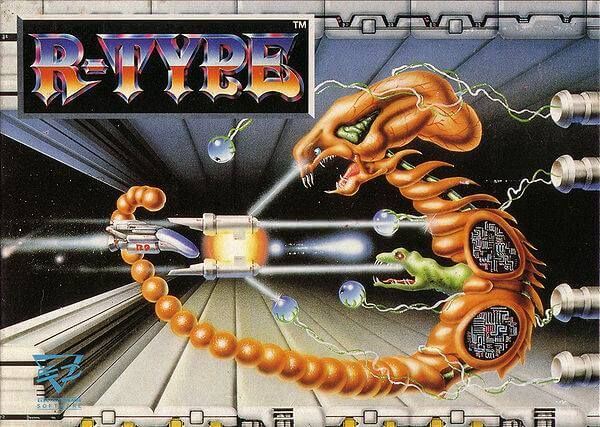
R-Type spaceship firing a laser

R-Type

#4

A masterclass in horizontal scrolling shooter design. R-Type punished players with its brutal difficulty but rewarded tactical play through meticulous level memorization and striking biomechanical enemy designs inspired by HR Giger.

Curator's Fact: Its defining innovation was the "Force Pod," an invincible attachment that could be clamped to the front or back of the ship to absorb fire, adding a layer of deep strategy.
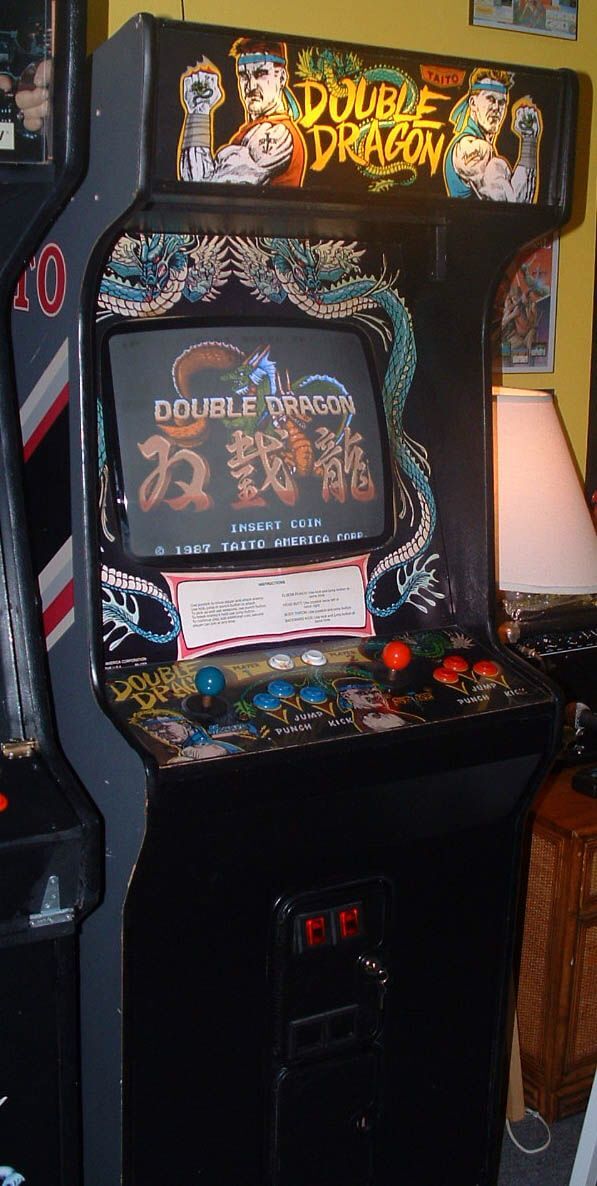
Double Dragon heroes fighting on a street
#5

Double Dragon

The quintessential cooperative beat-'em-up. Brothers Billy and Jimmy Lee marched through post-apocalyptic streets in a quest that standardized the side-scrolling brawler genre and popularized two-player simultaneous gameplay.

Curator's Fact: If playing in two-player mode, defeating the final boss triggers a surprise final battle where the two brothers must fight each other to the death to win the affection of Marian.
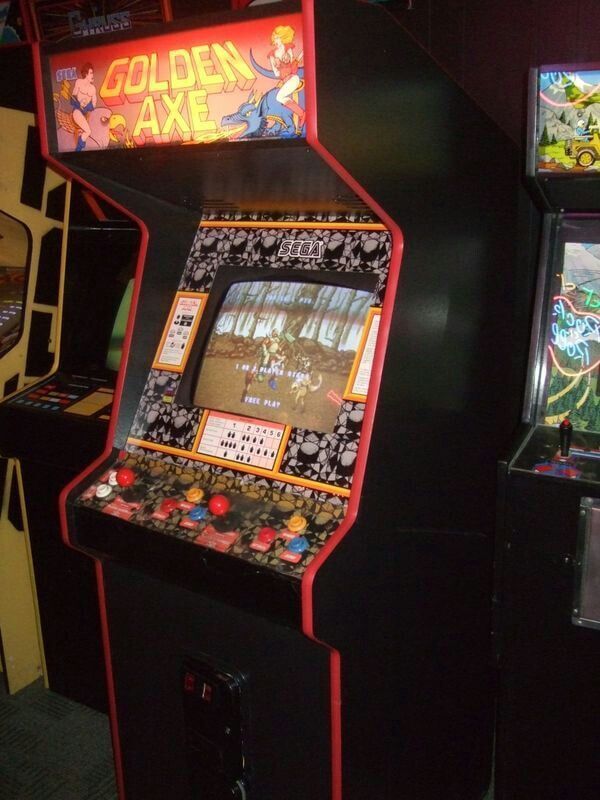
Golden Axe characters casting magic

Golden Axe

#6

Sega applied the brawler formula to high fantasy. Players hacked and slashed through the land of Yuria, collecting magic potions to unleash screen-clearing cinematic spells against Death Adder's forces.

Curator's Fact: The game allowed players to knock enemies off "Bizarrians" (dragon-like creatures) and mount them, a mechanic that added a highly dynamic layer to the combat loop.
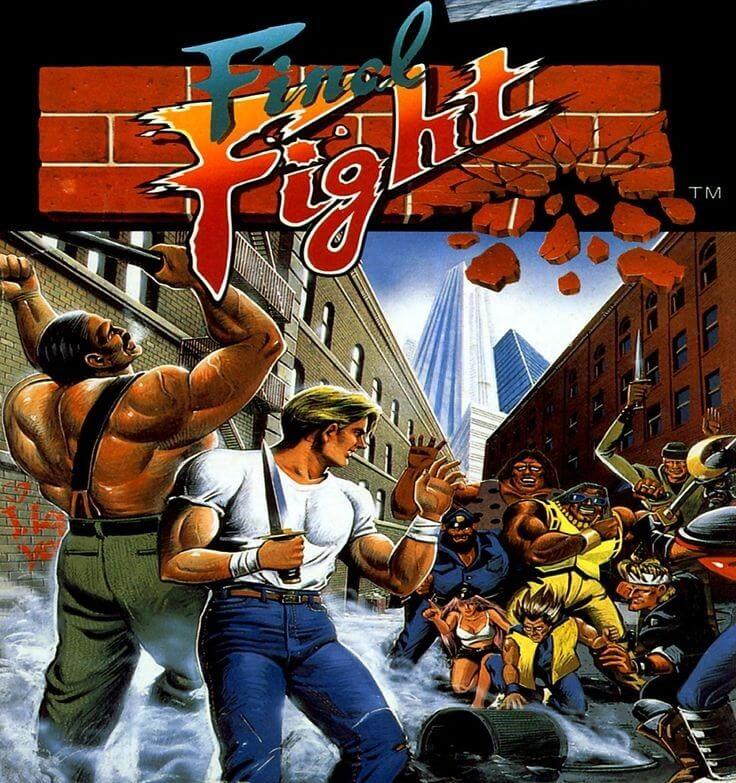
Final Fight characters brawling in Metro City
#7

Final Fight

Capcom's crowning achievement in the side-scrolling beat-'em-up era. With massive, detailed sprites and smooth animation, it took players through the grime of Metro City as Mayor Mike Haggar fought to rescue his daughter.

Curator's Fact: The game was originally developed and pitched as a sequel titled "Street Fighter '89" before Capcom realized it played entirely differently and rebranded it.
Super Mario World map and dinosaur character

Super Mario World

#8

The defining launch title for the Super Nintendo. It perfected the platforming mechanics of its 8-bit predecessors, introducing expansive, secret-filled world maps and a vibrant, deeply memorable art style.

Curator's Fact: Shigeru Miyamoto had wanted Mario to ride a dinosaur since the original NES game, but it wasn't until the 16-bit SNES hardware that Yoshi could finally be implemented.
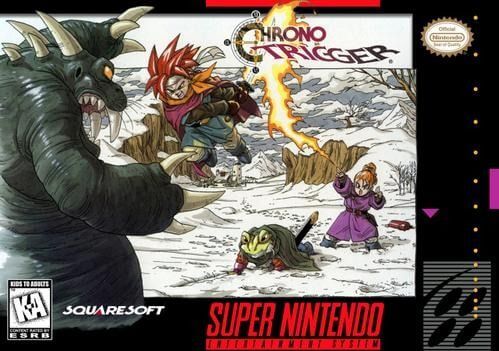
Chrono Trigger cast facing a boss
#9

Chrono Trigger

Created by an RPG "Dream Team" featuring the creators of Final Fantasy and Dragon Quest. Its seamless battles, time-traveling narrative, and spectacular soundtrack make it a perennial contender for the greatest RPG ever crafted.

Curator's Fact: Pioneered the "New Game Plus" concept, allowing players to replay the game with their stats intact to discover over a dozen different narrative endings.
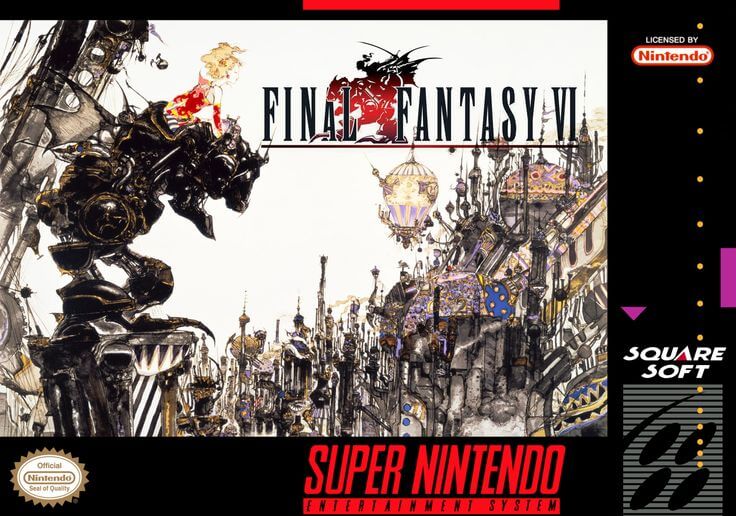
Final Fantasy VI magitek armor

Final Fantasy VI

#10

A dramatic departure from traditional fantasy, leaning into a bleak steampunk aesthetic. It featured an ensemble cast, mature themes of loss and rebellion, and an iconic villain whose catastrophic success reshaped the game's world midway through.

Curator's Fact: With 14 permanent party members, it holds the record for the largest playable cast in the mainline single-player series, each featuring unique mechanics and deep backstories.
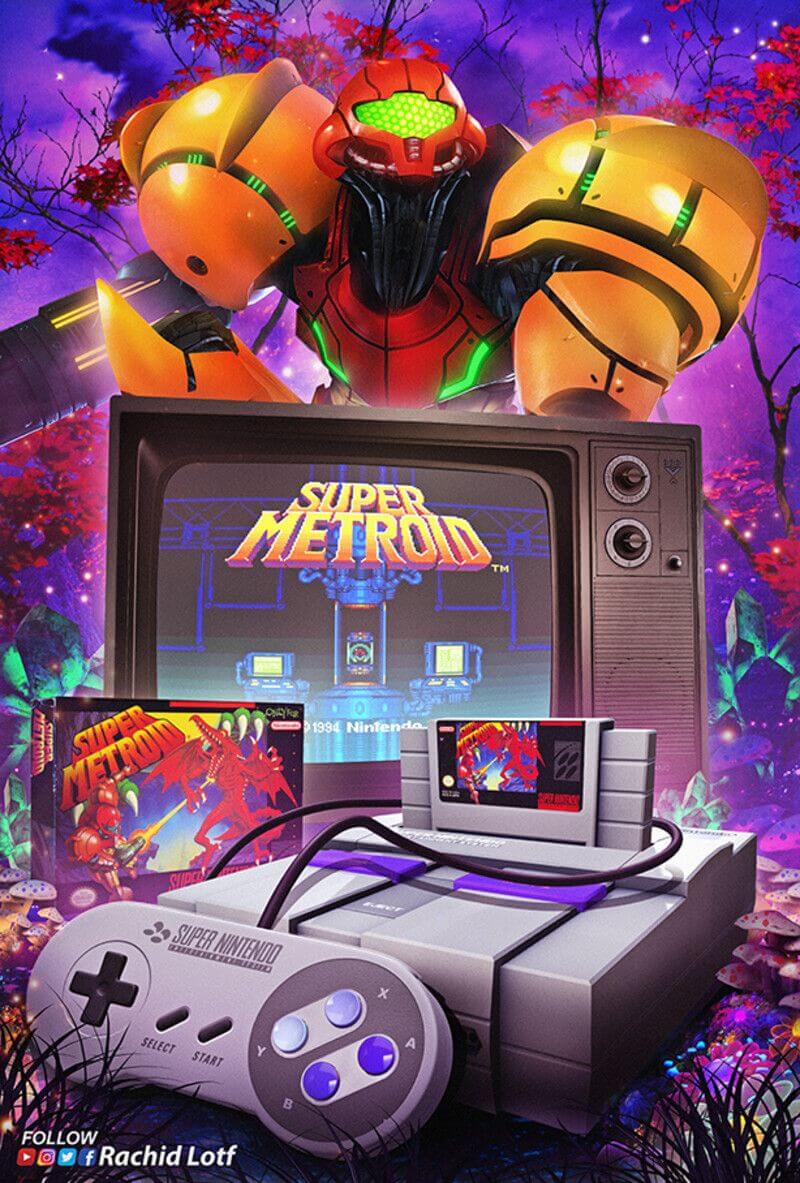
Super Metroid underground caverns
#11

Super Metroid

The gold standard for atmospheric exploration games. Dropped onto the eerie planet Zebes, players navigate an interconnected map relying purely on environmental storytelling, isolation, and mastery of a slowly expanding arsenal.

Curator's Fact: Its intricate design and hidden mechanics, like the wall jump and sequence-breaking abilities, made it a foundational title for the modern speedrunning community.
Donkey Kong Country jungle level

Donkey Kong Country

#12

A technical marvel that blew players away in 1994. Developer Rare utilized Silicon Graphics workstations to create pre-rendered 3D models converted into 2D sprites, delivering visuals previously thought impossible on a 16-bit machine.

Curator's Fact: The overwhelming graphical leap and subsequent massive sales numbers effectively extended the lifecycle of the SNES in the face of next-gen 32-bit consoles.
Streets of Rage 2 neon city fight
#13

Streets of Rage 2

The apex of home console beat-'em-ups. It expanded on the original with massive, detailed character sprites, deep combo mechanics, and a gritty urban atmosphere that perfectly captured the attitude of the early 90s.

Curator's Fact: Yuzo Koshiro's phenomenal, club-inspired electronic soundtrack was heavily influenced by the contemporary house and techno scenes, pushing the Genesis sound chip to its absolute limits.
Earthworm Jim wacky gameplay

Earthworm Jim

#14

A wildly inventive platformer characterized by its surreal humor and fluid, hand-drawn animation style. Players controlled an earthworm in a robotic super suit navigating bizarre worlds filled with absurd enemies.

Curator's Fact: Created by Shiny Entertainment explicitly as a parody of the prevalent "animal mascot with attitude" trend that dominated the video game industry in the 1990s.
Super Mario Kart starting line
#15

Super Mario Kart

The progenitor of the entire mascot kart racing genre. Blending competitive racing with chaotic item combat, it turned friendly split-screen multiplayer sessions into legendary living room battles.

Curator's Fact: The game heavily utilized the SNES's "Mode 7" hardware scaling feature, manipulating a flat 2D background to create the convincing illusion of a 3D track rushing toward the camera.
Contribute to the Archives

Submit an Artifact

Do you possess rare cabinet art, unreleased prototype cartridges, or historical documentation from the golden era? The curators at Pixel Hall Of are always seeking to expand the museum's permanent collection.