The Ultimate Exhibition

Immortalising The
Golden Age of Pixels

Discover the definitive ranking of arcade and console masterpieces that defined a generation. Curated strictly from the foundational eras of 1970 through 1999.

View The Top 15 Exhibits Restored • Documented • Preserved
Atmospheric view of retro arcade machines in a museum setting

The Curator's Mandate

The Pixel Hall Of operates as a dedicated digital museum. We actively bypass modern gaming trends to preserve the foundational pillars of electronic entertainment. Every induction in this hall has been meticulously verified for its technological leap, design mastery, and enduring cultural impact.

Explore full gaming history
15

Legendary Masterpieces

Carefully ranked and catalogued.

3

Defining Decades

Spanning the crucial 1970s to 1990s.

The Grand Exhibition

Presented in descending order. These are the fifteen undisputed titans of retro gaming, immortalised within our digital walls.

01

Street Fighter II

Released in 1991, this Capcom masterpiece didn't just improve the fighting game genre; it entirely defined it. With its diverse roster of world warriors, complex six-button layout, and competitive arcade culture, it remains the ultimate benchmark for all 2D fighters.

Archival Fact

The game-defining "combo" system was originally discovered as a bug during development, allowing players to cancel animation frames to string attacks together.
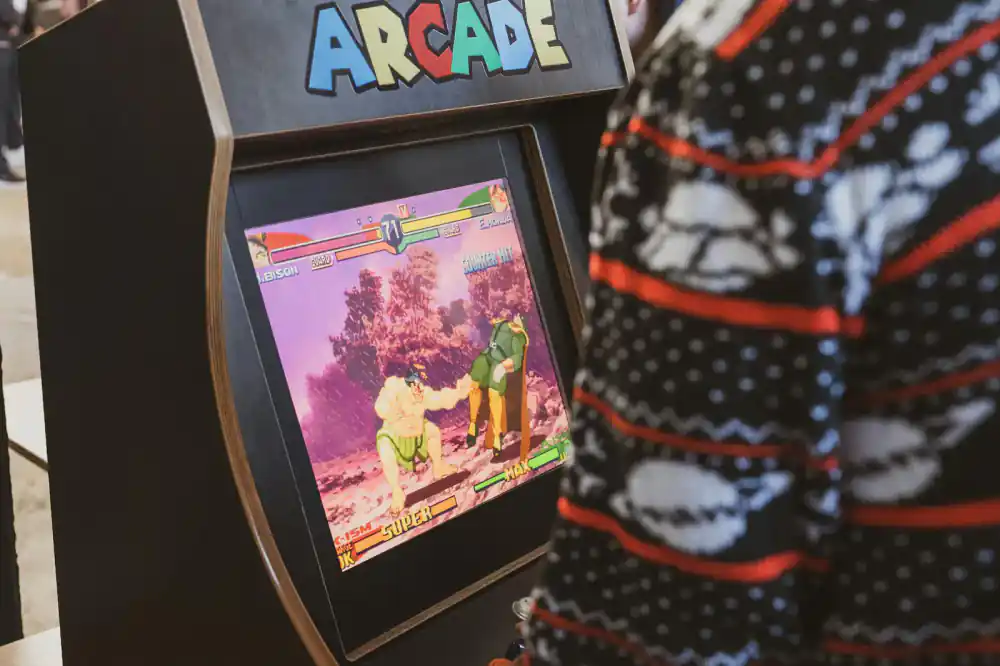
Street Fighter II arcade cabinet screen
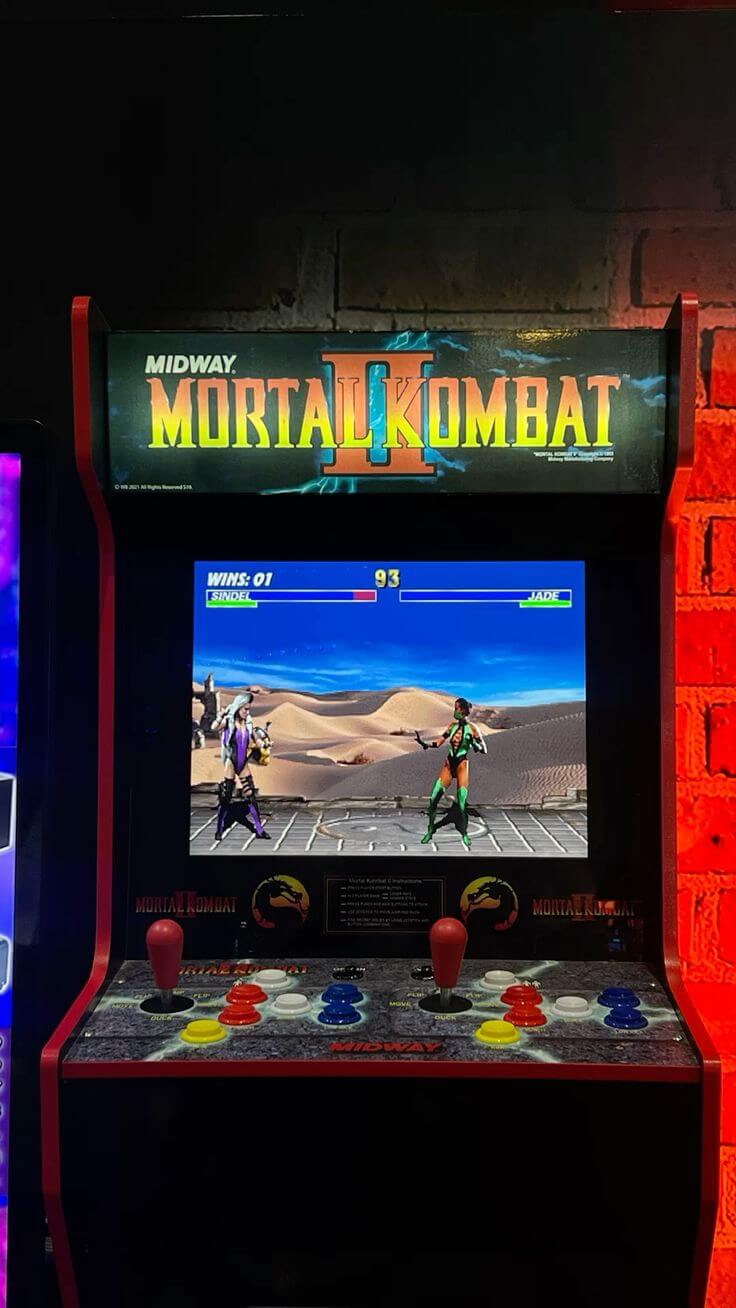
Mortal Kombat gameplay capture
02

Mortal Kombat

A controversial powerhouse that arrived in 1992. By utilising digitised sprites of real actors instead of hand-drawn art, Midway delivered a visceral, shocking experience that dominated arcade floors and sparked worldwide debates on gaming culture.

Archival Fact

The excessive virtual violence and infamous 'Fatalities' directly led to United States congressional hearings and the subsequent creation of the ESRB rating system.

03

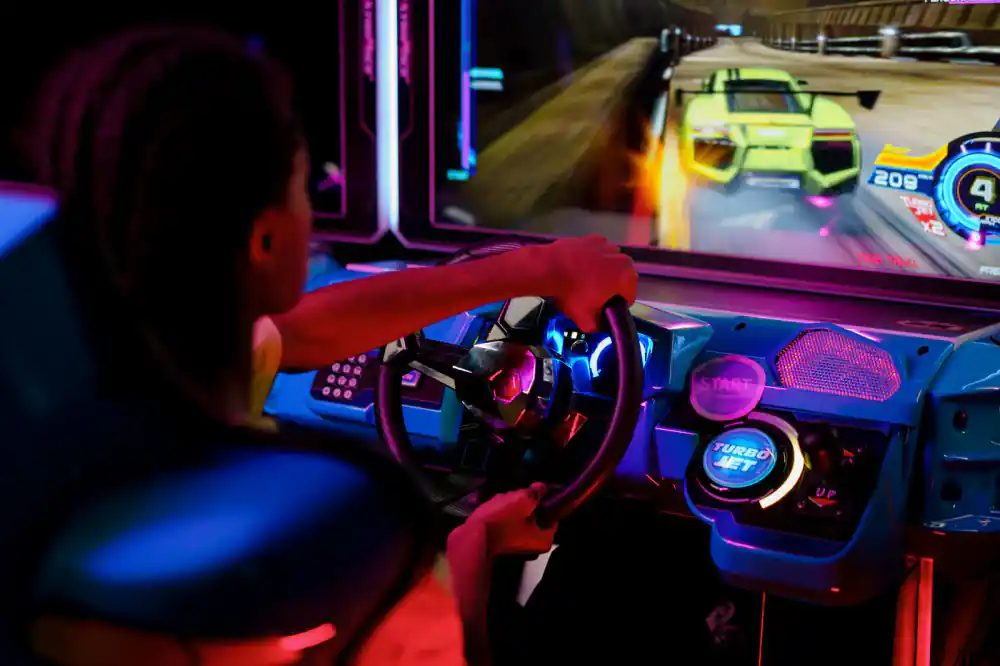
Out Run

Sega's 1986 driving simulator offered an unprecedented sense of speed and freedom. Bypassing rigid circuit racing, it presented a beautiful, branching journey across sunny landscapes, all viewed from behind the wheel of a magnificent red sports car.

Archival Fact

The custom arcade cabinet featured a force-feedback steering wheel and a proprietary "Super Scaler" engine, allowing for incredibly smooth pseudo-3D sprite scaling.

Out Run arcade driving game
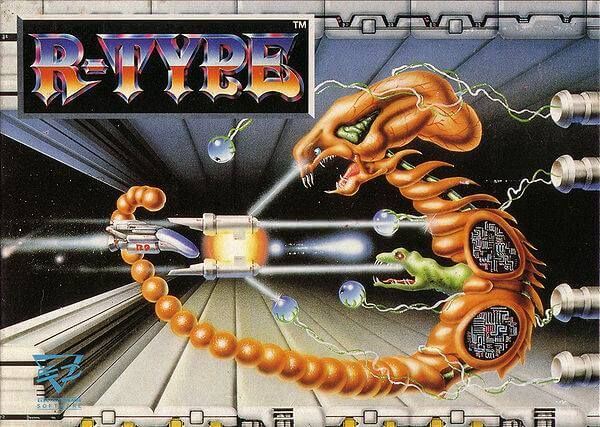
R-Type side scrolling shooter
04

R-Type

Irem's 1987 side-scrolling shooter punished and rewarded players in equal measure. It eschewed mindless shooting for tactical memorisation, forcing pilots to carefully navigate bio-mechanical horrors and colossal boss encounters.

Archival Fact

The invulnerable 'Force' pod attachment mechanic was highly innovative, allowing players to attach it to the front or rear of their ship to absorb enemy fire and create tactical choke points.

05

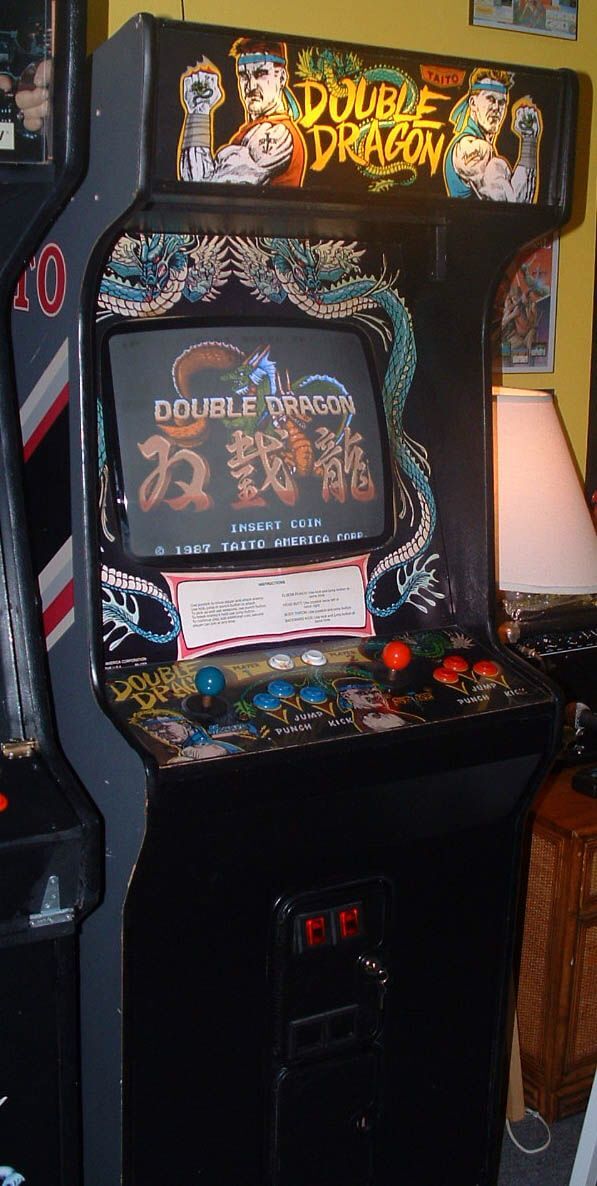
Double Dragon

The spiritual godfather of the co-operative beat-'em-up. Released in 1987, it allowed two players to clear the gritty streets together, introducing environment interaction and a vast array of martial arts moves to the arcade ecosystem.

Archival Fact

If players reached the end of the game in two-player mode, the game famously forced them to turn on each other and fight to the death for the final victory.

Double Dragon beat em up
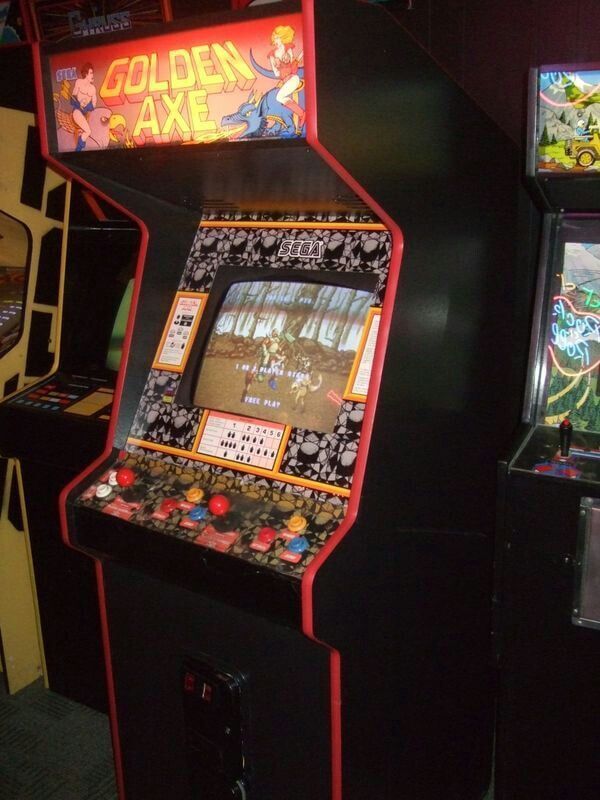
Golden Axe fantasy game
06

Golden Axe

Trading urban streets for high fantasy, Sega's 1989 brawler brought swords, sorcery, and rideable beasts to the arcade. Its distinct screen-clearing magic attacks and varied character roster made it an instant multiplayer classic.

Archival Fact

The iconic screams of defeated enemies were famously sampled from films like Conan the Barbarian and First Blood.

07

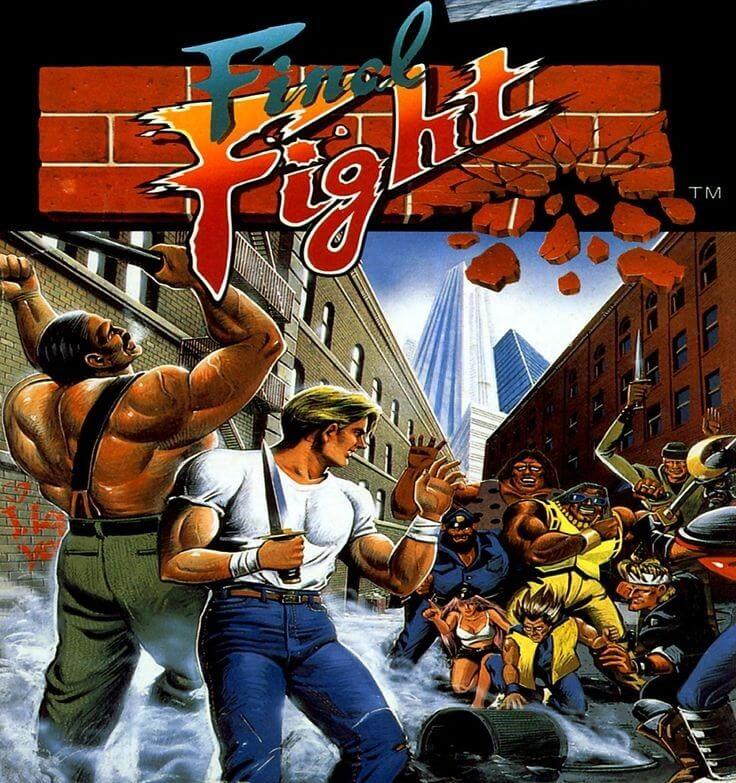
Final Fight

Capcom pushed the boundaries of large sprite animation in 1989 with a journey through the corrupt Metro City. It refined the beat-'em-up formula with immense, detailed characters and a punishingly satisfying combat rhythm.

Archival Fact

The game was originally developed and pitched internally at Capcom under the title 'Street Fighter '89' before being rebranded to establish its own legacy.

Final Fight Metro City
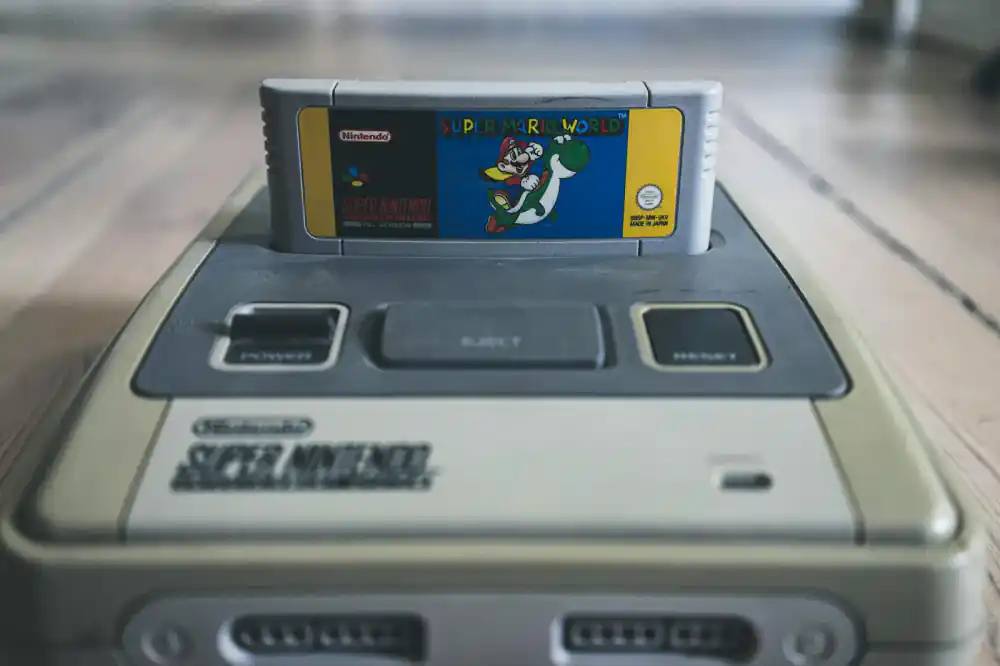
Super Mario World SNES
08

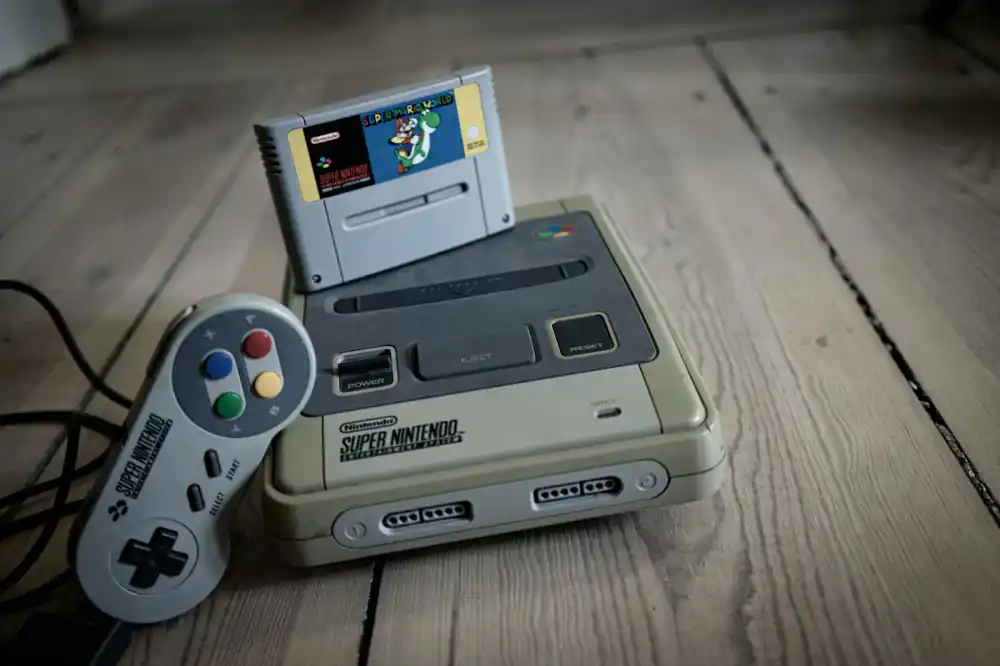
Super Mario World

The quintessential 16-bit platformer that served as the launch title for the SNES in 1990. It expanded the scope of home console games with a massive interconnected world map, secret exits, and pristine, joyful physics.

Archival Fact

It introduced the world to Yoshi, a character Shigeru Miyamoto had wanted to include since the original NES game, but was limited by hardware constraints at the time.

09

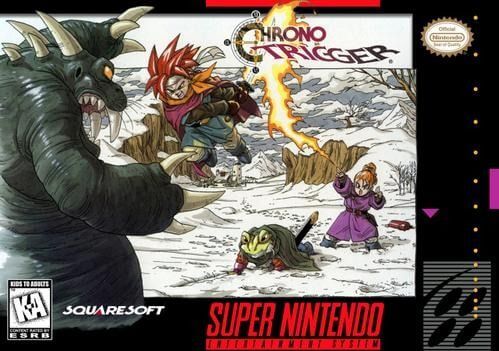
Chrono Trigger

A landmark role-playing game from 1995 crafted by a Japanese "Dream Team" of developers. Its time-travelling narrative, removal of random encounters, and stunning pixel art created an emotional epic that remains unmatched.

Archival Fact

The game featured 13 wildly different endings depending on when and how the player chose to confront the final boss, a revolutionary concept for storytelling.

Chrono Trigger RPG
Final Fantasy VI opera scene
10

Final Fantasy VI

Released in 1994, this entry pushed 16-bit storytelling into mature, operatic territory. With a sweeping soundtrack by Nobuo Uematsu and a storyline that dared to let the villain win halfway through, it redefined narrative depth in gaming.

Archival Fact

It features the largest playable cast in the main series (14 unique characters), each with their own deeply personal musical theme and backstory.

11

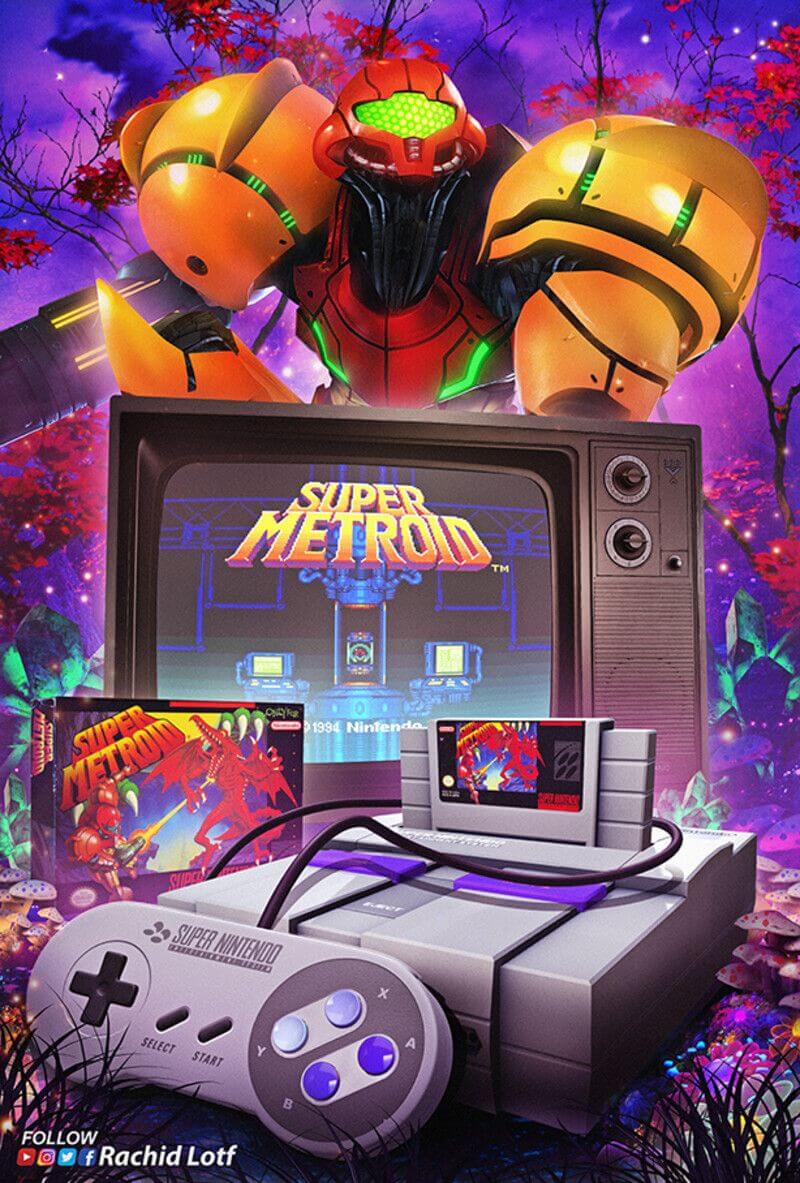
Super Metroid

A masterclass in atmospheric design and silent storytelling. This 1994 sci-fi epic dropped players onto a hostile, labyrinthine planet with no directions, entirely defining the non-linear exploration format known today as 'Metroidvania'.

Archival Fact

The developers intentionally left sequence-breaking techniques, like the 'Moon Walk' and infinite bomb-jumping, in the final code to reward highly skilled players.

Super Metroid sci fi
Donkey Kong Country graphics
12

Donkey Kong Country

In 1994, this title shocked the industry by achieving what seemed impossible on 16-bit hardware. By compressing advanced 3D renders into 2D sprites, it delivered a visual spectacle backed by incredibly tight platforming mechanics.

Archival Fact

It was developed by British studio Rare using high-end Silicon Graphics workstations—the same technology used to render the dinosaurs in Jurassic Park.

13

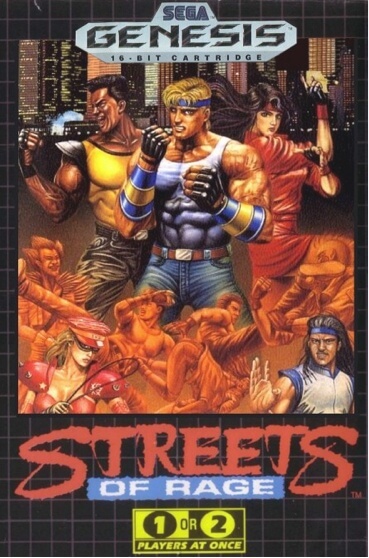
Streets of Rage 2

Often cited as the absolute pinnacle of the 16-bit beat-'em-up genre. Sega's 1992 sequel polished combat to a mirror shine, boasting massive character sprites and an atmosphere dripping with neon-lit, 90s urban cool.

Archival Fact

Legendary composer Yuzo Koshiro created the groundbreaking club-inspired house and techno soundtrack using a custom audio programming language he wrote himself.

Streets of Rage 2
Earthworm Jim platformer
14

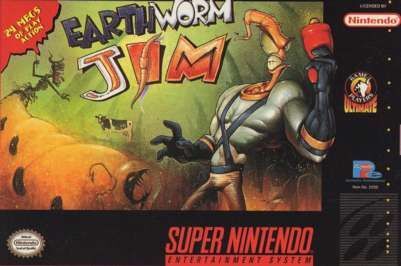
Earthworm Jim

A surreal, satirical run-and-gun platformer from 1994. It stood out immediately due to its bizarre humour, fluid hand-drawn animation techniques, and chaotic level design that defied all standard logic of the era.

Archival Fact

The main character was fully sketched and animated as a joke character design before any gameplay or concept for an actual video game existed.

15

Super Mario Kart

The foundational text for multiplayer party games. Released in 1992, it single-handedly invented the mascot kart-racing genre, perfectly blending precision driving with chaotic, item-based combat on Mode-7 rotating tracks.

Archival Fact

The game was initially prototyped as a two-player version of F-Zero. Mario characters were only added later when the developers decided buggies looked better than futuristic hovercrafts.

Super Mario Kart SNES

Delve Deeper Into The Circuitry

Our curatorial mission extends far beyond ranking games. We aim to rigorously document the hardware limitations, the developer struggles, and the profound cultural stories of the 70s, 80s, and 90s.

Access the Trivia & Facts Archive
Communications Desk

Submit An Inquiry

The Pixel Hall Of museum team welcomes correspondence regarding exhibition loans, historical fact corrections, or general research inquiries. Please direct your communications to the appropriate channels below.

Disclaimer

Website Information Notice

The information provided on the Pixel Hall Of website is for general informational and educational purposes only. While we strive to keep the content accurate and up to date, we make no representations or warranties of any kind, express or implied, about the completeness, accuracy, reliability, suitability, or availability of the information displayed on the website. Any reliance you place on such information is strictly at your own risk.

Read full Disclaimer

This website uses cookies to ensure proper function and analyse traffic. By continuing to browse, you agree to our use of cookies.

Cookie Policy